A good transformation partner should be getting smaller
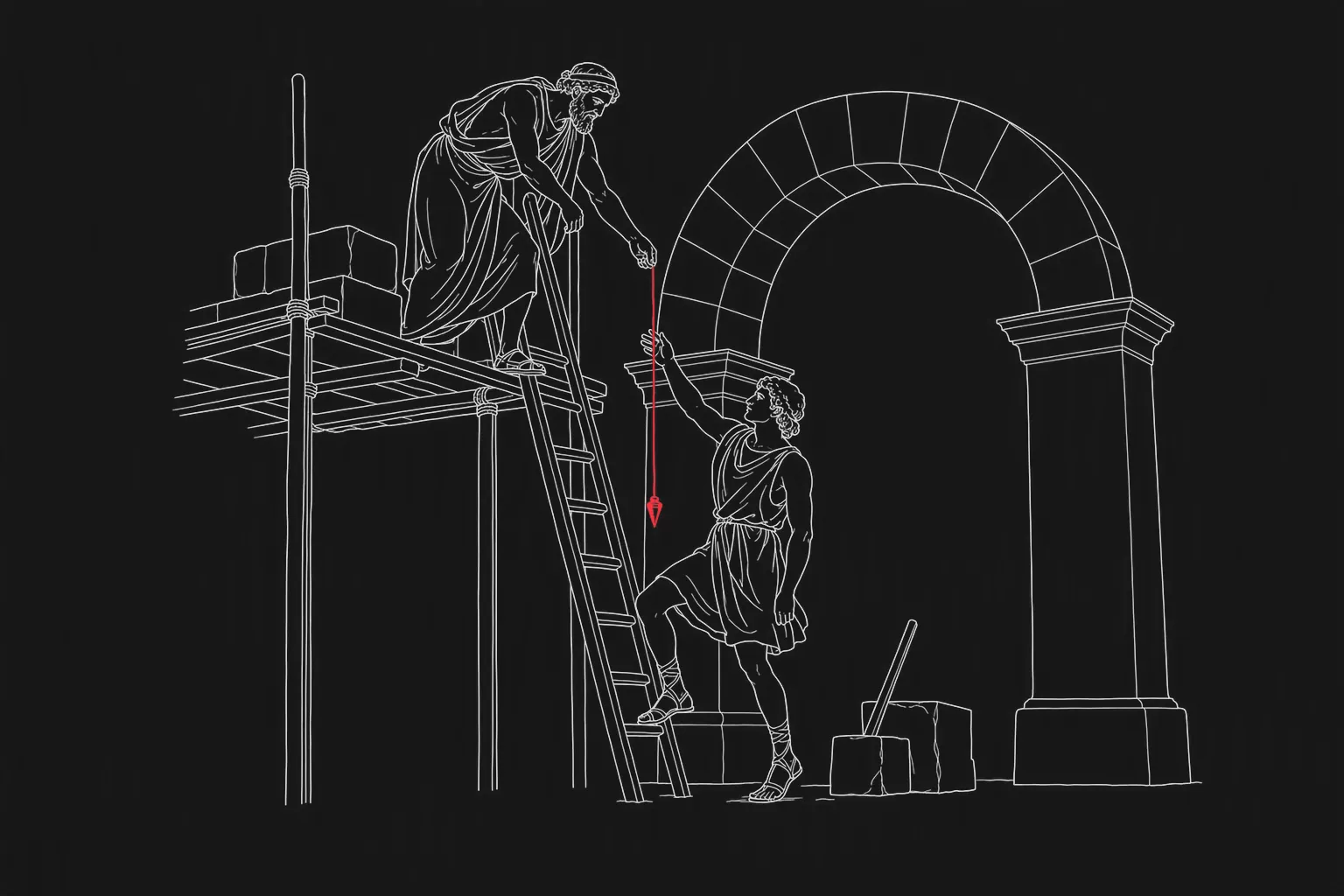
Transformation engagements have a natural tendency to grow. The supplier knows the organisation, the organisation has stopped building the skills itself, and every new initiative is easier to hand to people who are already in the building. Two years later the company has a permanent external team and calls it a partnership.
Sometimes that is the right arrangement. It is rarely the one anybody chose, and rarely the one the original business case assumed.
What the decline should look like
A transformation has a shape. The first change needs a lot of outside help: the method is new, the organisation has not done it before, and somebody has to carry it all the way through. The second should need less, because the people who worked on the first one now know how. By the third or fourth, the supplier should be on call rather than in the room.
Infographic
How a partner's involvement should decline
- 01First changeThe partner leads; your people work alongside and learn the method.
- 02Second changeYour people lead; the partner works alongside and corrects.
- 03Third changeYour people lead alone; the partner reviews at checkpoints.
- 04After thatThe partner on call, or not at all. That is the outcome.
If that shape is not written down at the start, it will not happen, because nobody involved has an incentive to make it happen. The supplier’s revenue depends on staying, and your team’s workload is lighter while the supplier stays.
The shape also tells you how to read the invoices. A large bill in the first months is normal. A flat one in month nine is a question. A rising one in month nine is an answer.
Writing the decline into the contract
A schedule, not a sentiment. “Knowledge transfer” in a proposal means nothing until it has dates and names: which of your people take over which part, by when, and how much supplier time remains after that.
Transfer inside the work, not after it. Methods, templates and decisions documented as the work happens, in your own systems, with your people doing the work alongside rather than reading summaries at the end. Handover documents written in the last week of a contract are read once. The best evidence of transfer is not a document at all, but one of your people running the meeting the supplier used to run.
Named people to receive it. A transfer schedule needs people on your side with the time to take over. If they have to be hired or freed from other work, that happens before the supplier steps back, not after — otherwise the schedule is a countdown to a gap.
Exit terms agreed while you have leverage. What is handed over, in what form and within what window. Settled at the start, this is a clause. Negotiated at the end, it is a favour.
Short, fixed-scope phases. Small enough to price honestly, short enough to stop, specific enough to judge. A long open-ended engagement builds momentum that outlasts its usefulness.
How to tell whether it is working
Three questions, asked every quarter.
Is the supplier’s share of the work falling? Measured in days or in people, against the schedule. If it is flat, ask why. The answer is a finding rather than a failure, but it has to be said out loud.
Who led the most recent change? If it was the supplier again, transfer has not happened, whatever the documentation says.
Could you stop next month? Not whether you want to — whether you could, without the work stalling. If the honest answer is still no after the second change, dependence is growing rather than shrinking.
None of these needs outside help to answer. They need a sponsor willing to ask them with the supplier in the room, and a supplier willing to hear them.
When staying is the right answer
Some work is worth buying permanently: specialist skills you need occasionally, the running of systems you do not want to staff, capacity for peaks. That is a legitimate decision, and it should be made as one — priced, scoped and reviewed as a service — rather than arrived at by drift from a transformation that never handed anything over.
The two look similar on an invoice. They differ in whether anybody decided.
How we handle it
In an AI transformation engagement our involvement declines on a written schedule agreed at the start, and if it does not decline, we say so rather than wait to be asked. Exit terms are settled while you still have the leverage to negotiate them.
- knowledge transfer
- supplier management
- contracts
- transformation