AI training converts weeks after the workshop, not during it
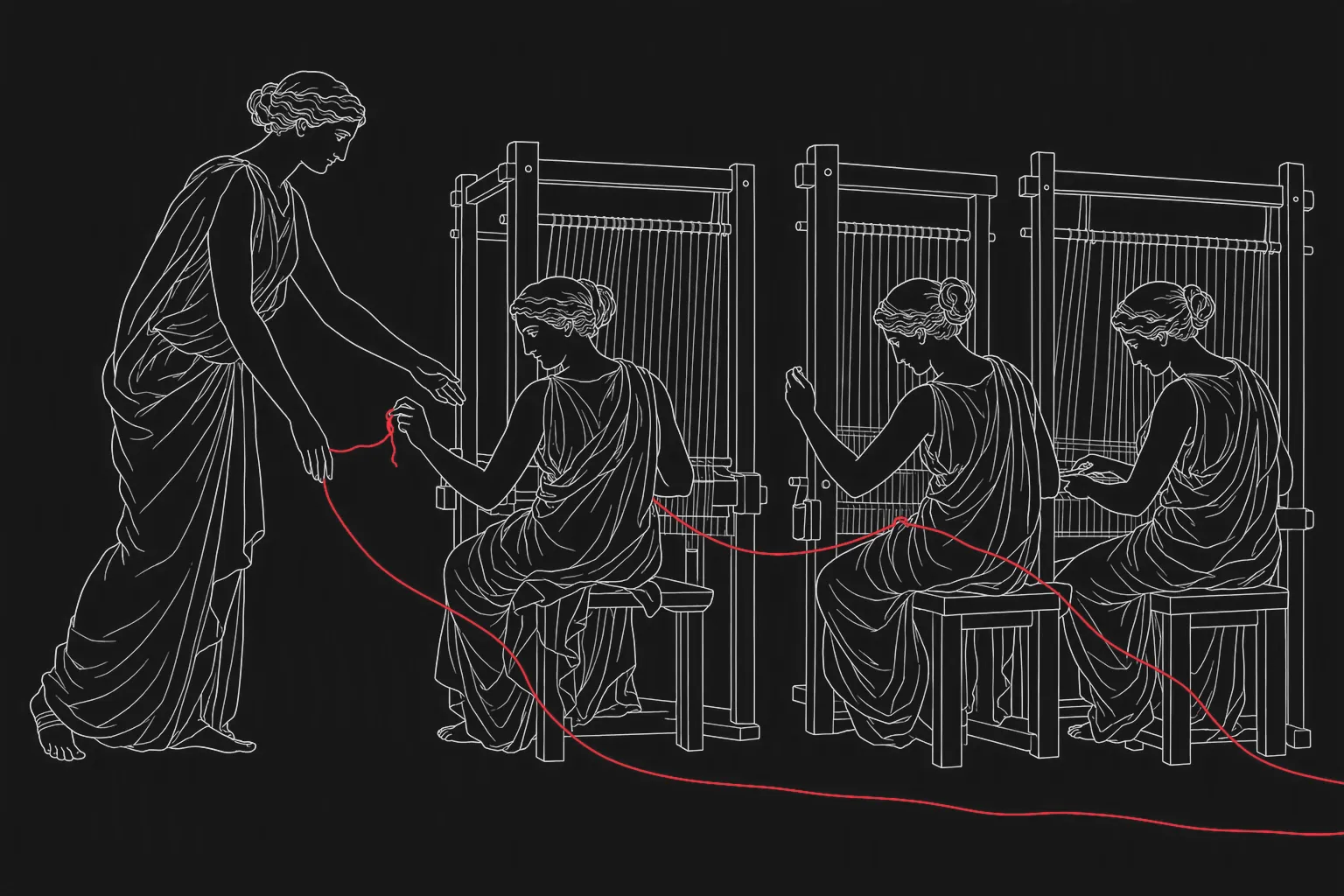
The week after a good workshop, people try what they learned on real work. Most of them hit something nobody covered: the data is messier than the example, the approved tool cannot reach the system they need, a colleague does not trust the output, a manager asks why the report took longer than usual.
What happens next decides whether the training produced anything. Usually nothing happens next. The obstacles are individual, nobody is collecting them, and within a month people have quietly gone back to the old way.
Why the session itself is not the outcome
A workshop is good at three things: showing what is possible, building a shared vocabulary, and producing an artefact — a shortlist, a policy, a prototype. It is poor at the thing that actually turns into capability, which is working through the obstacles that only appear in real use.
Those obstacles are predictable in kind and unpredictable in detail. They cannot be covered in advance, because nobody knows which ones a given team will hit until it tries.
That is not a criticism of workshops. It is a reason to buy them together with what comes after, rather than as a one-off event.
What the weeks after need
Infographic
How training turns into capability
- 01Real materialSessions built on your processes and your awkward cases.
- 02ArtefactA decision, a policy or a prototype at the end.
- 03Trying it at workAn ordinary week, and the first obstacles nobody predicted.
- 04ClinicWhat was tried, what broke, and what to change.
- 05RevisionPatterns, policy and material updated from what came out.
Room to try it. A manager who expects the same output in the same time the week after a workshop is telling the team, without meaning to, not to bother. The first attempts are slower, and somebody has to say that this is fine.
Somewhere to take problems. A named person or channel where people report what did not work. Not a helpdesk ticket — a place where obstacles are collected, because the patterns among them are the most useful information the training produces. Obstacles collected across several teams often point to a few shared causes — access to data, a tool that is not approved, rules nobody is sure about — and those are worth fixing once, centrally, rather than separately in every team.
A follow-up session, booked in advance. Some weeks later, with the same group: what was tried, where it went wrong, what to change. This is where most of the learning lands, and it has to be in the calendar before the first session ends, or it will not happen.
An owner for what was produced. The prompt and pattern library, the policy, the prototype. Each needs a person inside the company who keeps it current. Material built for real tasks decays when the tasks change, and nobody updates something they do not own.
How to tell whether training worked
Not with the feedback form. Satisfaction measures the session, not the change. Better signals look like this.
Are the artefacts in use? Is somebody working on the shortlist, does anyone consult the policy, does the prototype get opened by anyone other than the person who built it?
Have the questions changed? Before training, teams ask whether AI can do something. Afterwards, they ask how to check its output or what it would cost to run. The second kind of question is the sign of calibrated expectations.
Has anybody stopped doing something? Training that only adds tasks gets resisted. The useful changes usually remove a step: a draft nobody writes from scratch any more, a check now done once rather than twice.
Did the next project need less outside help? The clearest measure of capability transfer, and the one the training was bought for, if it was bought for capability.
What to budget
Beyond the sessions themselves: a few hours of manager attention to make room for the first attempts, the time of whoever owns the artefacts afterwards, and the follow-up session. The last is the cheapest part of the programme and the first to be cut when the budget tightens. It is also the part that converts everything else.
None of this is expensive. All of it needs a name next to it, because work without a name next to it is the first thing to slip.
That is why the process behind our AI workshops and training ends with coming back: a clinic some weeks later, once the practical obstacles have appeared, because that is where training turns into capability.
- training
- capability
- adoption
- measurement